Exploring the vibrant tapestry of casino culture around the world
The Historical Roots of Casino Culture
The evolution of casino culture can be traced back to ancient civilizations, where gambling was often intertwined with social rituals and community gatherings. In Rome, for instance, games of chance were prevalent among citizens, especially during public festivities. These early forms of gambling were not just about winning money; they served as a means of entertainment and social bonding, laying the groundwork for modern casino culture. Today, places like SlotLair Casino continue this legacy of community and excitement.
As societies progressed, gambling became more formalized. The first official casino, the Casino di Venezia, opened its doors in Italy in the 17th century, marking a significant shift in how gambling was perceived and organized. This establishment set a precedent for future casinos, offering a controlled environment where patrons could engage in various games. This marked the transition from informal gambling to structured gaming establishments, essential for understanding contemporary casino culture.
The impact of colonialism also played a vital role in the globalization of gambling practices. European powers introduced their own gambling customs to different parts of the world, leading to a blend of local traditions and foreign practices. This fusion is evident in regions like the Caribbean, where European-style casinos coexist with local games, creating a unique casino culture that reflects both historical influences and contemporary trends.
Casino Architecture and Ambiance
The design and architecture of casinos are crucial elements that contribute to their allure. From the opulent palaces of Las Vegas to the grand historical buildings of Monte Carlo, the architecture is often a reflection of the cultural values and aesthetics of a region. Casinos are typically designed to create a sense of excitement and adventure, drawing visitors into a world of glamour and fortune.
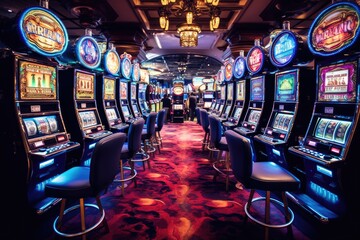
Lighting plays a significant role in setting the mood within casinos. Most establishments use bright, colorful lights to create an energetic atmosphere that encourages prolonged play. Additionally, the layout is meticulously crafted to guide patrons through various gaming areas, dining establishments, and entertainment venues, making it easy to lose track of time. This strategic design enhances the overall experience, ensuring that visitors are captivated from the moment they enter.
Moreover, each casino often aims to reflect local culture and heritage. For instance, in Macau, casinos incorporate elements of Chinese architecture and symbolism, creating a unique blend of luxury and tradition. This cultural integration not only enriches the visitor experience but also reinforces the notion that casinos are not just places to gamble, but vibrant cultural hubs that celebrate local history and artistry.
Game Variations Across Cultures
The diversity of casino games available worldwide illustrates the rich tapestry of gambling traditions. In the United States, games like poker and blackjack dominate the scene, reflecting a culture that values strategy and skill. Casinos often host high-stakes tournaments, which add to the excitement and draw in players from around the globe.
Conversely, in many Asian cultures, games such as baccarat and pai gow are more prevalent, showcasing the unique preferences and practices of these regions. The popularity of these games often ties back to historical and cultural significance. For example, baccarat is associated with high society and luxury in places like Macau, while pai gow is deeply rooted in Chinese culture, offering not just a game but an experience steeped in tradition.
Understanding these game variations offers insights into how gambling is perceived across different cultures. In some regions, gambling is viewed as a form of socialization, while in others, it may carry a more serious or even spiritual connotation. This diverse landscape highlights the importance of cultural context in shaping how gambling is practiced and celebrated around the world.
The Role of Technology in Modern Casinos
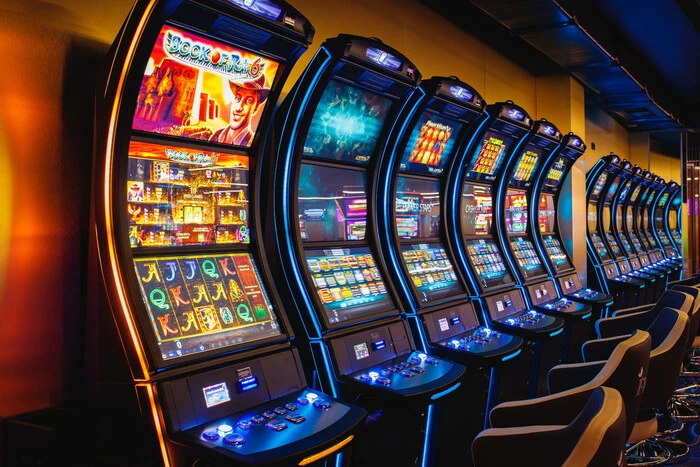
The introduction of technology has dramatically transformed the casino experience. From online gaming platforms to advanced slot machines, technology has made gambling more accessible and appealing to a broader audience. Many modern casinos integrate cutting-edge software that enhances user experience, offering interactive games and virtual reality experiences that attract tech-savvy players.
Online casinos have also emerged as a significant aspect of gambling culture, especially in recent years. Players can now enjoy their favorite games from the comfort of their homes, with live dealer options that replicate the in-casino experience. This shift has led to a blending of traditional and modern gambling practices, where players can choose how and where to engage with games.
Furthermore, technology has improved security measures within casinos. Advanced surveillance systems and biometric technology ensure a safe environment for players, addressing concerns related to fraud and cheating. This focus on security not only protects the integrity of the games but also instills a sense of trust among patrons, encouraging more participation in various gaming activities.
The Global Community of Casino Enthusiasts
Casinos are not merely places for gambling; they also foster a global community of enthusiasts who share a passion for gaming. Events like poker tournaments and gaming expos bring together players and industry professionals from around the world, creating opportunities for networking, learning, and cultural exchange. These gatherings often serve to celebrate the artistry and skill involved in gaming while offering a platform for discussions about the future of the industry.
Moreover, social media has played a pivotal role in building this community. Platforms allow players to share experiences, strategies, and insights, fostering a sense of belonging among those who enjoy gaming. This virtual connection transcends geographical boundaries, enabling individuals from different cultures to connect over their shared interest in casinos and gaming.
As casinos continue to evolve, the sense of community will likely grow stronger. With the increasing popularity of destination casinos, where visitors come from afar to experience unique gaming environments, the cultural exchange will enrich the global tapestry of casino culture. This ongoing interaction among diverse players and cultures ensures that the world of casinos remains vibrant and dynamic.

Comments are closed.