Flight Legends is an immersive flight simulation game that has garnered attention for its realistic portrayal of aviation and engaging gameplay. This report aims to compare Flight Legends with other popular flight simulation games, highlighting its unique features, strengths, and areas for improvement.
One of the standout features of Flight Legends is its attention to detail in aircraft design and flight physics. The game employs advanced aerodynamics algorithms that allow players to experience realistic flight dynamics, making it appealing to both casual gamers and aviation enthusiasts. In comparison, games like Microsoft Flight Simulator and X-Plane also prioritize realism, but Flight Legends distinguishes itself with a more user-friendly interface and streamlined controls, catering to a broader audience.
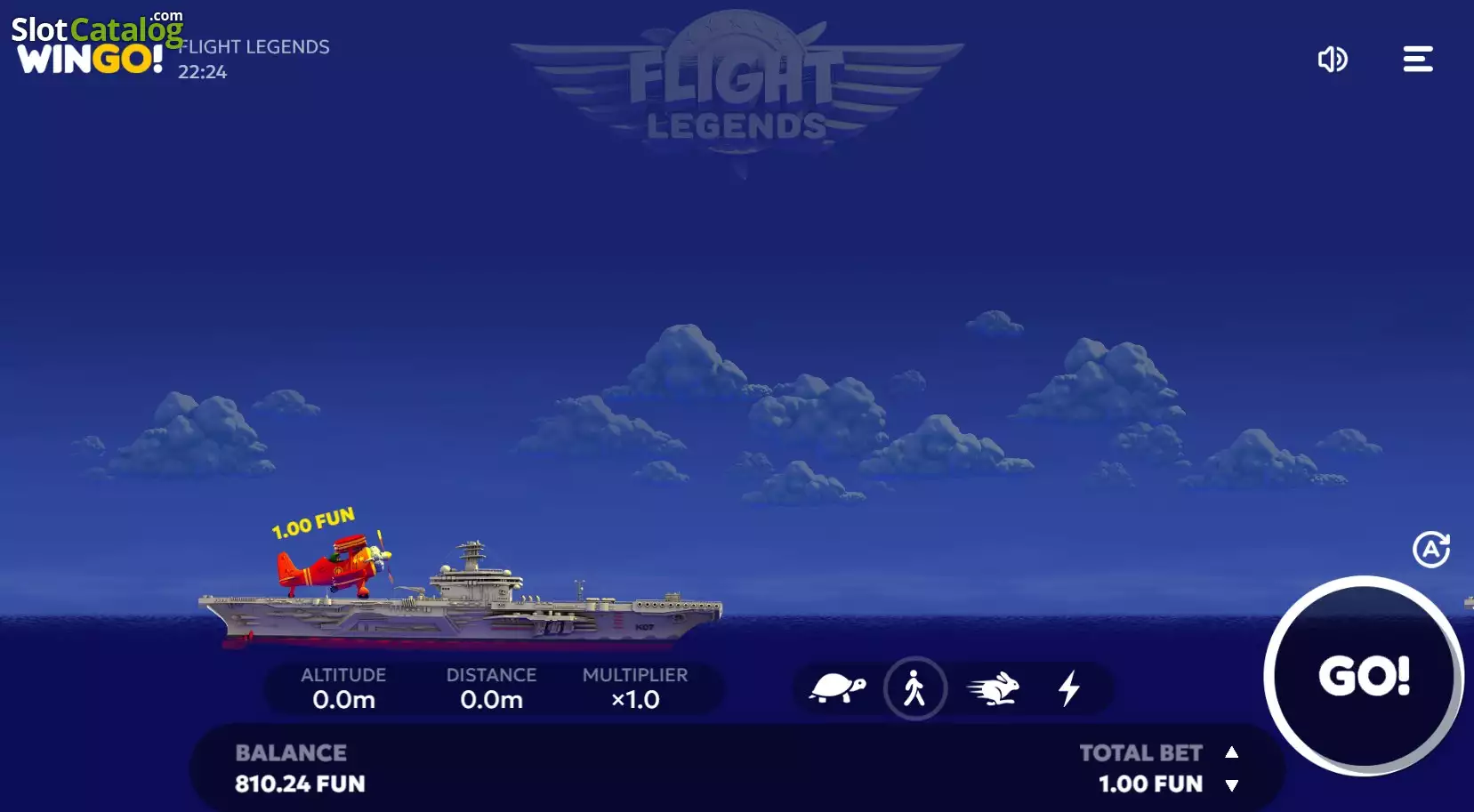
Graphics play a crucial role in flight simulation games, and Flight Legends offers stunning visuals that enhance the overall experience. The game incorporates high-resolution textures, realistic weather effects, and dynamic lighting, creating an immersive environment that rivals that of its competitors. Microsoft Flight Simulator, known for its breathtaking graphics powered by satellite imagery, might have the edge in terms of realism, but Flight Legends compensates with its artistic style and optimized performance on various hardware configurations.
Another significant aspect of flight simulation games is the variety of aircraft available. Flight Legends boasts a diverse selection of planes, from vintage warbirds to modern commercial airliners. This variety allows players to explore different eras of aviation history. In contrast, games like DCS World focus primarily on military aircraft, offering a more specialized experience. While DCS World excels in combat scenarios, Flight Legends provides a balanced approach, appealing to a wider audience interested in both civilian and military aviation.
Multiplayer functionality is another critical area where Flight Legends shines. The game features a robust online community, allowing players to engage in cooperative missions, flight training sessions, and competitive events. This social aspect enhances the gameplay experience, fostering camaraderie among players. Other flight simulation games, such as Aerofly FS, offer multiplayer modes but often lack the same level of community engagement and event organization found in Flight Legends.
However, Flight Legends is not without its shortcomings. While it excels in various areas, some players have noted that the game could benefit from more in-depth tutorials and training missions. Compared to competitors like X-Plane, which provides extensive documentation and a wealth of online resources, Flight Legends could enhance its onboarding process to better support new players. Furthermore, the game’s add-on ecosystem is still developing, and expanding third-party support could elevate its longevity and replayability.
In conclusion, Flight Legends stands out in the flight simulation genre for its blend of realism, accessibility, and community engagement. While it faces competition from established titles like Microsoft Flight Simulator and X-Plane, its unique features and user-friendly approach make it a worthy contender. As the game continues to evolve, addressing areas for improvement will be crucial in maintaining its position in the competitive flight simulation market. The future looks promising for Flight Legends, as it carves out its niche among the flight simulation community.

Comments are closed.