The evolution of gambling from ancient games to modern casinos
Origins of Gambling in Ancient Civilizations
The history of gambling can be traced back to ancient civilizations, where games of chance were often intertwined with cultural and religious practices. In ancient China, around 2300 BC, the first known forms of gambling appeared, including rudimentary dice games. Similarly, the Egyptians engaged in various betting activities, using game pieces and dice crafted from materials like wood and bone. Today, platforms like rainbet aus continue this tradition, offering a range of gaming options.
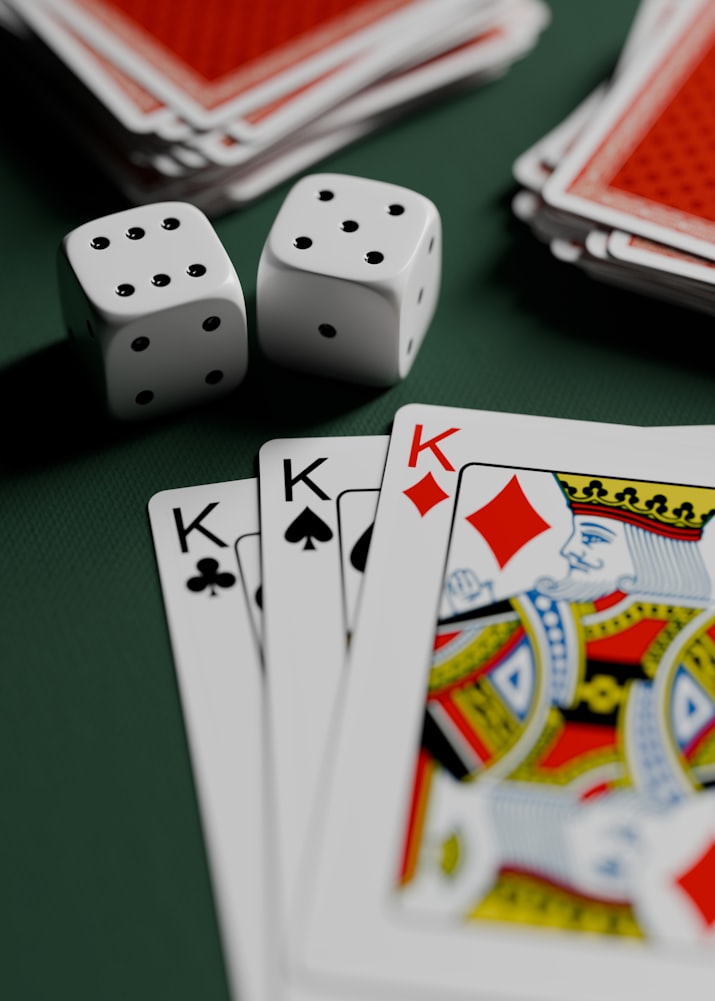
These early games laid the groundwork for the future of gambling, reflecting the human inclination towards risk and reward. As societies evolved, so did the games, moving from simple dice rolls to more structured forms of betting involving strategy and skill, eventually culminating in organized gambling activities that would flourish in the later centuries.
The Rise of Gambling in the Middle Ages
During the Middle Ages, gambling gained significant popularity across Europe. The introduction of card games, such as tarocchi and poker, marked a pivotal shift in gambling practices. These games, often played in social settings, allowed for greater interaction and competition among players. Nobility and commoners alike engaged in gambling, making it a staple in entertainment.
Throughout this period, gambling began to be regulated by various authorities, recognizing its potential economic impact. This led to the establishment of early gaming houses and betting venues, which would set the stage for the modern casino. The blending of social interaction, strategy, and chance elevated gambling’s status, further embedding it into cultural norms.
The Birth of Modern Casinos
The 17th century marked the emergence of the first official casinos, with the establishment of the Casino di Venezia in Italy, recognized as the world’s oldest gambling house. This development was crucial in shifting gambling from clandestine gatherings to legitimate business operations. The gaming houses provided a structured environment where patrons could engage in a variety of games.
As the concept of casinos spread across Europe, particularly in France and later in England, gambling took on a more sophisticated flair. Roulette, baccarat, and blackjack became popular, attracting the affluent and leading to the establishment of lavish gaming establishments. The regulatory frameworks governing these casinos began to evolve, ensuring fair play and responsible gaming practices.
The Impact of Technology on Gambling
The 20th century ushered in a technological revolution that profoundly transformed the gambling landscape. The advent of electronic gaming machines and, later, online gambling platforms reshaped how people engage with games of chance. Slot machines became a staple in casinos, offering players the thrill of winning with minimal skill required.
With the rise of the internet, online casinos emerged, allowing players to gamble from the comfort of their homes. This transition democratized gambling, making it accessible to a broader audience. Innovations like live dealer games and mobile applications have further enhanced the gaming experience, blending the convenience of online play with the social aspects of traditional casinos.

Responsible Gambling in Modern Gaming
As gambling has evolved, so have the discussions surrounding responsible gaming practices. Today’s casinos and online platforms emphasize the importance of player protection and responsible gambling. Initiatives such as self-exclusion programs, deposit limits, and access to educational resources are implemented to promote healthier gaming habits.
Websites like Rainbet focus on creating a safe and enjoyable gaming environment by incorporating robust security measures and promoting responsible gambling. Players are encouraged to engage in gambling as a form of entertainment rather than a means to solve financial problems, ensuring a sustainable approach to gaming enjoyment.

Comments are closed.